
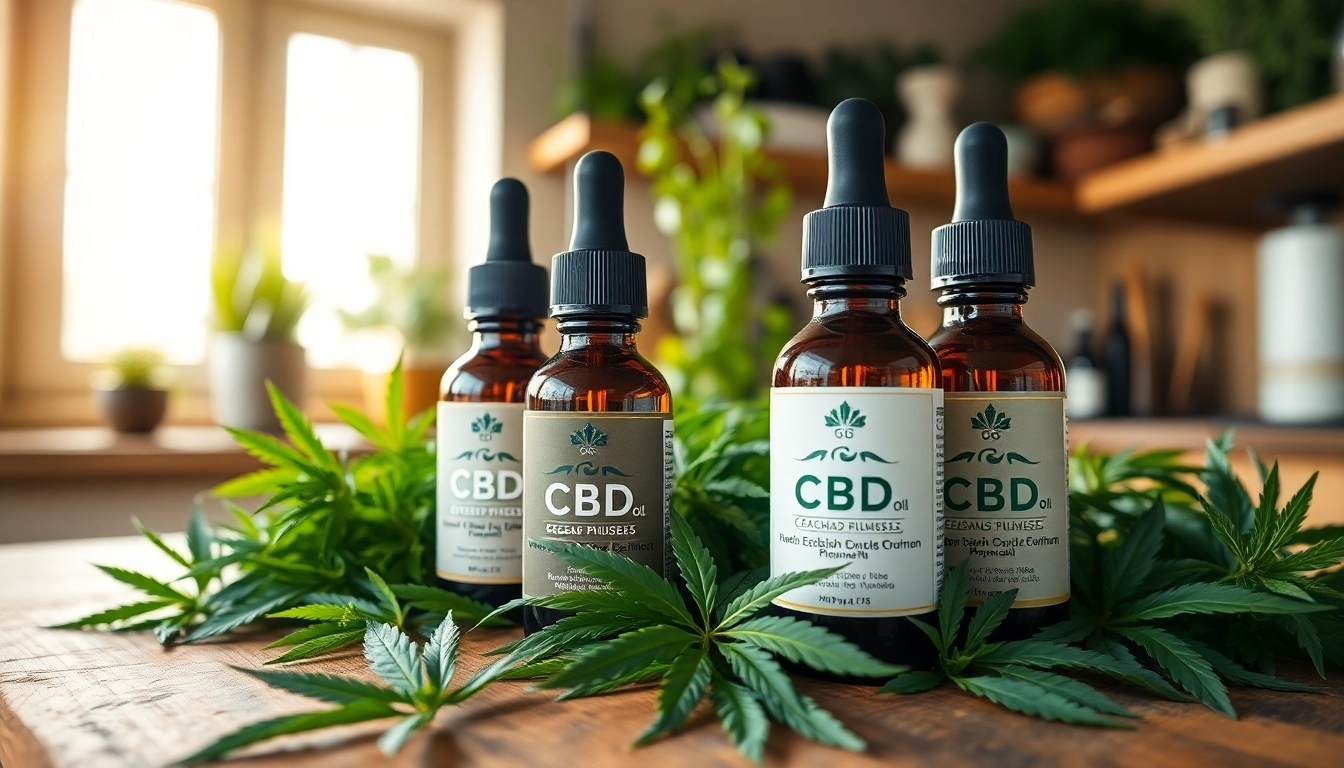
What is CBD Oil?
Definition and Origins of CBD Oil
Cannabidiol, commonly referred to as CBD, is one of over a hundred active compounds found in the cannabis plant. Unlike tetrahydrocannabinol (THC), the primary psychoactive compound associated with marijuana, CBD is known for its therapeutic properties without causing the euphoric “high.” CBD is often extracted from hemp, which was cultivated for thousands of years for its fibers, seeds, and oil. The oil is derived from the flowers, leaves, and stalks of the hemp plant, thanks to its high concentrations of cannabinoids.
The rise of CBD Oil as a health supplement can be traced back to ancient civilizations, where cannabis was utilized for its medicinal properties. Modern interest surged in the 20th century, partly due to increasing awareness and research highlighting its potential benefits. Today, CBD Oil has transformed into a multi-billion-dollar industry, with a growing base of users who seek alternatives to conventional medicine.
How CBD Oil is Extracted
The extraction of CBD Oil can occur through various methods, which significantly influence the oil's purity and potency. Here are the most common extraction techniques:
- CO2 Extraction: This method uses carbon dioxide under high pressure to extract CBD. It is one of the cleanest and most efficient methods, yielding pure oil without harmful residues.
- Solvent Extraction: Solvents like ethanol or butane are used to dissolve the plant material. While effective, this method can leave traces of solvents in the final product if not carefully executed.
- Oil Infusion: This traditional method involves using a carrier oil like olive or coconut oil to infuse the cannabinoids. The drawback is that the shelf life can be shorter compared to CO2 extracted oils.
- Cold Press Extraction: This method is typically used for hemp seeds and results in a less concentrated oil. It retains the valuable nutrients present in hemp seed oil but contains minimal CBD.
Once extracted, the CBD Oil can undergo further refinement to remove unwanted compounds, resulting in full-spectrum, broad-spectrum, or isolate products, each with varying cannabinoid profiles and effects.
Legal Status of CBD Oil
The legal status of CBD Oil varies significantly around the world, depending on the source of the CBD and local regulations. In the United States, the 2018 Farm Bill legalized hemp-derived CBD containing less than 0.3% THC, making it widely available. However, regulations may differ state by state, affecting how CBD can be marketed and sold.
In Europe and many other regions, CBD regulations are evolving, with many countries beginning to embrace its potential benefits and permit its sale under strict guidelines. It is essential for consumers to be aware of their local laws concerning CBD to avoid legal issues.
Benefits of CBD Oil
Managing Pain and Inflammation
CBD Oil has garnered significant attention as a natural alternative for pain management. One of the primary ways CBD interacts with the body is through its effect on the endocannabinoid system, which plays a crucial role in regulating various physiological processes, including pain perception and inflammation.
Research indicates that CBD may be effective in reducing chronic pain due to conditions like arthritis and multiple sclerosis. A review of studies found that CBD Oil could decrease inflammation and manage pain by interacting with neurotransmitters, suggesting a promising avenue for those seeking relief without relying on opioids.
Reducing Anxiety and Stress
Another significant benefit of CBD Oil lies in its potential to alleviate anxiety and stress. Numerous studies have shown that CBD interacts with serotonin receptors in the brain, which play a crucial role in mood regulation and anxiety management. Clinical trials suggest that CBD Oil may help reduce feelings of anxiety in individuals dealing with social anxiety disorder, post-traumatic stress disorder (PTSD), and generalized anxiety.
Many users report feeling calmer and more relaxed after using CBD Oil, which can be an invaluable resource in today's fast-paced world where stress and anxiety levels are on the rise.
Potential Neurological Benefits
Emerging research indicates that CBD may have neuroprotective properties, offering hope for individuals with neurological disorders. Studies show that CBD can reduce the frequency and severity of seizures in epilepsy patients, notably through the approval of CBD-based medications for certain rare forms of epilepsy.
Additionally, preliminary research suggests that CBD Oil may help with other neurological conditions, such as multiple sclerosis and Parkinson's disease, by potentially slowing disease progression and alleviating symptoms. While more extensive studies are required, the initial findings contribute to a growing body of evidence supporting CBD Oil's therapeutic potential in neurological health.
How to Use CBD Oil
Different Methods of Consumption
CBD Oil can be consumed in various ways, each offering unique benefits:
- Oral Ingestion: CBD Oil can be taken directly under the tongue for faster absorption or mixed into food and beverages for a more palatable experience. This method provides a gradual release of CBD into the bloodstream.
- Topical Application: Many users apply CBD Oil directly to the skin to target localized pain or inflammation. Creams, balms, and salves infused with CBD can offer relief without affecting the entire body.
- Vaping or Inhalation: Inhaling CBD Oil through vaporizers allows for quick absorption into the bloodstream, making it suitable for those seeking immediate effects. However, caution is advised when using vaporized products for long-term use due to potential respiratory risks.
- Edibles: CBD-infused edibles, such as gummies or chocolates, offer a tasty way to consume CBD. The effects may take longer to be felt compared to other methods, as they must first be digested.
Dosage Recommendations for Adults
Determining the appropriate dosage of CBD Oil can be challenging due to individual factors such as body weight, metabolism, and the condition being treated. Generally, it is advisable to start with a low dosage and gradually increase until the desired effects are achieved. Many health professionals recommend beginning with a dose of 5-10 mg of CBD taken once or twice daily.
Monitoring one's response to CBD and adjusting as necessary is critical. Keeping a journal to track dosage, timing, and effects can help in finding the right balance.
Using CBD Oil Safely with Other Medications
CBD Oil may interact with certain medications, particularly those metabolized by the liver's cytochrome P450 enzyme system. Patients taking prescriptions should consult their healthcare provider before introducing CBD into their regimen to avoid potential interactions.
Common medications that may interact with CBD include blood thinners, anti-seizure medications, and some forms of antidepressants. A healthcare provider can provide specific guidance on safe usage and any necessary adjustments to medication dosages.
Possible Side Effects of CBD Oil
Common Side Effects to Monitor
While many users tolerate CBD Oil well, there are potential side effects to consider. Some common side effects include:
- Fatigue and drowsiness
- Dry mouth
- Changes in appetite
- Nausea
Although these side effects are generally mild, they can affect individuals differently. Monitoring one's response and adjusting the dosage may help mitigate these effects.
Interactions with Other Substances
CBD can interact with various substances, from prescription medications to other supplements. It is vital to be aware of potential risks, especially if taking multiple medications. Users should ensure there are no conflicting substances that could amplify side effects or diminish efficacy.
When to Consult a Healthcare Professional
Consulting a healthcare professional before starting CBD Oil, especially for individuals with pre-existing medical conditions or those currently taking medications, is essential. Professional guidance can ensure safe use and prevent adverse interactions, ultimately fostering a safer experience with CBD products.
Choosing the Right CBD Oil
Understanding Product Labels and Ingredients
When selecting CBD Oil, it is crucial to understand product labels. Look for third-party lab testing results, which confirm the product's cannabinoid content and absence of harmful contaminants. Labels should clearly specify whether the product is full-spectrum, broad-spectrum, or isolate. Consumers should seek oil that discloses the concentration of CBD and THC, as well as other cannabinoids and terpenes present.
Factors to Consider When Buying CBD Oil
Several factors should guide the purchasing decision for CBD Oil:
- Source: Ensure the hemp used for extraction is sourced from reputable farms practicing organic farming methods.
- Extraction Method: Opt for products extracted using CO2 methods, which typically result in higher quality oils.
- Brand Reputation: Research the brand’s reputation and gather insights from user reviews and testimonials.
Quality Standards and Certifications
Choosing high-quality CBD Oil is paramount, as the market can be rife with products that do not meet safety or efficacy standards. Look for certifications, such as Good Manufacturing Practices (GMP), and engage brands that prioritize transparency concerning their production processes.
Certified organic products are often a reliable choice, with additional assurance that the oil is free from pesticides, herbicides, and other chemicals that can diminish quality.