
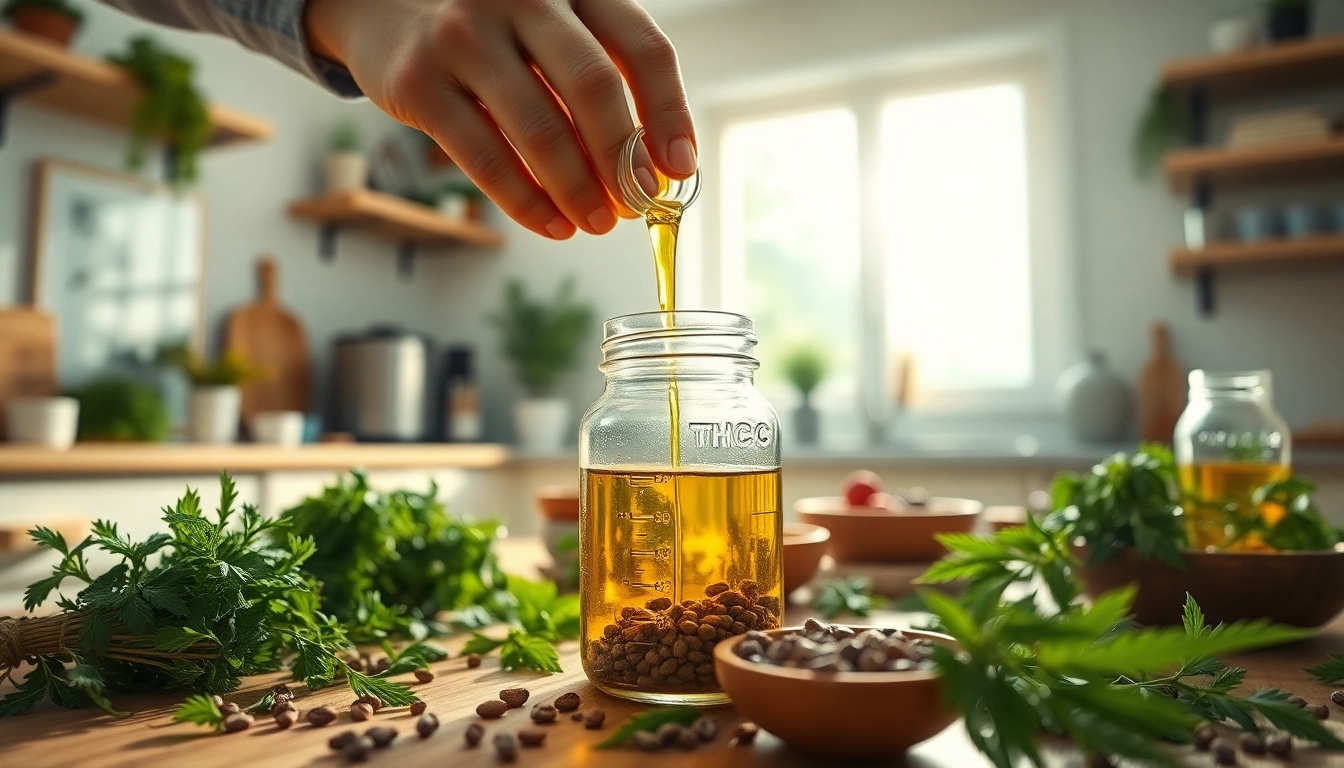
Understanding THC Oil and Its Benefits
What is THC Oil?
THC oil, also known as cannabis oil or tetrahydrocannabinol oil, is a concentrated extract from the cannabis plant that contains high levels of THC, the psychoactive component responsible for the plant's euphoric effects. This oil is created through various extraction methods, which isolate the active compounds from the plant material. Although THC is often associated with recreational use, many individuals are increasingly turning to how to make thc oil for its potential health benefits.
Health Benefits of THC Oil
The potential health benefits of THC oil are vast and varied, supported by an increasing body of research. The compound has been found to help manage pain, reduce anxiety, and stimulate appetite, making it particularly valuable for individuals suffering from chronic illness or undergoing treatments like chemotherapy. Additionally, THC can induce relaxation, which may aid with sleep disorders and improve overall mental well-being. Its anti-inflammatory properties also make it a candidate for treating conditions such as arthritis.
Legality and Considerations
The legality of THC oil differs significantly across regions. In some places, THC is fully legal for recreational or medicinal purposes, while in others, it remains prohibited. It’s crucial to understand the laws governing THC oil in your area before attempting to produce or use it. Moreover, individuals should consult healthcare professionals when considering THC oil for medical use, particularly regarding dosage and potential interactions with other medications.
Essential Ingredients for Making THC Oil
Plant Materials and Their Importance
The primary ingredient in THC oil is, of course, the cannabis plant itself. The strain of cannabis used can dramatically affect the oil’s potency, flavor, and overall effects. Indica strains, for instance, are often chosen for their relaxing qualities, while sativa strains may provide more energetic effects. It’s vital to select high-quality plant material as the oil's efficacy will depend heavily on the cannabinoid and terpene content of the original plant.
Choosing the Right Carrier Oil
Carrier oils are fundamental when making THC oil as they help dilute the concentrated extract for safe consumption. Popular options include olive oil, coconut oil, and hemp seed oil. The selected carrier oil should have its own health benefits, flavor profile, and fat content, which can enhance the absorption of THC in the body. For example, coconut oil is favored for its medium-chain triglycerides that can increase the bioavailability of cannabinoids.
Supplementary Ingredients
Along with the cannabis and carrier oil, supplementary ingredients can contribute to the oil's flavor and therapeutic attributes. Some people choose to infuse their THC oil with herbs and spices such as rosemary or garlic, which can offer additional health benefits. Other options include essential oils or flavoring agents that can make the oil more palatable, especially for those looking to consume it without the distinctive cannabis flavor.
Step-by-Step Guide on How to Make THC Oil
Preparing Your Workspace
Creating THC oil involves careful preparation to ensure safety and cleanliness. Start by ensuring your workspace is clean and organized. Gather all your materials, including a double boiler or slow cooker, glass jars for storing your oil, fine mesh strainer or cheesecloth, and any supplementary ingredients you plan on using. Additionally, it’s advisable to wear gloves and an apron, as the oil can be potent and may stain your clothes.
Extraction Methods Explained
There are several methods to extract THC from cannabis, with the most common being the infusion method and the more intensive alcohol extraction method. The infusion method involves heating the plant material with the carrier oil at low temperatures over several hours, allowing the cannabinoids to leach into the oil. The alcohol extraction method utilizes high-proof alcohol to extract THC and requires a more complex process, including evaporation of the alcohol to leave behind a potent oil. Each method has its pros and cons, and the choice may depend on the desired potency, flavor, and equipment available.
Storing Your Finished THC Oil
Once the extraction process is complete, proper storage of your THC oil is essential to maintain its potency and freshness. It’s best to store the oil in a dark glass bottle to protect it from light, and keep it in a cool, dark place. A refrigerator is an excellent option as it can prolong the shelf life, which typically ranges from six months to a year if stored correctly.
Dosage and Usage Guidelines
Finding Your Optimal Dose
Determining the right dosage of THC oil can be challenging, particularly for newcomers. It’s recommended to start with a low dose, often between 2.5 mg to 5 mg of THC, and gradually increase it over time until the desired effects are achieved. Everyone’s body reacts differently, and factors like weight, metabolism, and tolerance levels will influence how one experiences THC oil.
Different Methods of Consumption
THC oil can be consumed in various ways, depending on personal preference and desired effects. Common methods include sublingual application (placing drops under the tongue), adding it to foods, or using it in cooking. Using the oil in baked goods, salad dressings, or even beverages allows individuals to enjoy its benefits creatively. However, it's essential to note that the effects of THC oil can vary based on how it’s consumed, so understanding these methods is vital for an enjoyable experience.
Tips for First-Time Users
For first-time users, navigating the world of THC can be daunting. Start with small doses, and wait at least 60 to 90 minutes before considering taking more, especially when consuming edibles, as the effects can take longer to kick in. Keep a log of your experiences to help you better understand how THC oil affects you personally. Additionally, make sure to have a comfortable environment and, ideally, a supportive friend or buddy system in place as you explore its effects.
Frequently Asked Questions About THC Oil
What is the shelf life of THC oil?
THC oil typically has a shelf life of six months to a year when stored properly in a cool, dark place. Proper storage can prolong its potency.
Can THC oil be used in cooking?
Yes, THC oil can be used in cooking and baking, adding a unique flavor and effects to your dishes. Make sure to use it responsibly and consider dosage.
How do I know if my oil is strong enough?
The strength of THC oil can depend on the cannabis strain and extraction method used. Home tests may vary, so starting with a low dose is recommended.
Are there any side effects of using THC oil?
Common side effects may include dizziness, dry mouth, and increased heart rate. It's best to start small and monitor your body's response.
Is THC oil safe for beginners?
THC oil can be safe for beginners when used cautiously. Starting with low doses and consulting a healthcare professional can help mitigate risks.