Understanding CBD Cannabis Seeds
As the popularity of cannabis continues to grow, so too does interest in CBD cannabis seeds. These seeds represent a unique category of cannabis designed primarily for those seeking therapeutic benefits without the psychoactive effects commonly associated with THC. Cultivating CBD-rich plants can offer numerous advantages, including potential health benefits and diverse growing applications. When exploring options, CBD cannabis seeds provide comprehensive insights into the genetic variety and cultivation techniques necessary for successful growing.
What Are CBD Cannabis Seeds?
CBD cannabis seeds are derived from cannabis plants that have been selectively bred to produce high levels of cannabidiol (CBD) and minimal tetrahydrocannabinol (THC). These seeds are increasingly popular among growers and consumers alike due to their potential therapeutic effects and non-intoxicating properties. Unlike traditional THC-dominant strains, CBD cannabis seeds can yield plants that offer a range of health benefits without the psychoactive high, making them suitable for both recreational and medicinal use.
Types of CBD Cannabis Seeds Available
There are several types of CBD cannabis seeds available in the market, catering to various growing preferences. Understanding these types can help growers make informed decisions:
- Feminized CBD Seeds: These seeds are bred to produce only female plants, which are essential for flower production. Feminized seeds eliminate the risk of male plants, focusing solely on high-CBD yields.
- Regular CBD Seeds: Regular seeds can produce both male and female plants, making them suitable for those interested in breeding their strains. However, growers will need to identify and remove male plants to ensure high CBD yields.
- Autoflowering CBD Seeds: These seeds automatically switch from the vegetative stage to the flowering stage based on age rather than light cycles, making them ideal for beginners and those with limited growing space.
- Photoperiod CBD Seeds: These seeds require a specific light schedule to flower, allowing for more control over the growth cycle. They are preferred by experienced growers who want to maximize their CBD yield.
Legal Considerations for Growing CBD Seeds
Before embarking on the journey of cultivating CBD cannabis seeds, it's crucial to understand the legal landscape surrounding cannabis cultivation. In many regions, growing cannabis for personal use is permitted, but laws can vary significantly. Many states in the U.S. have legalized CBD cultivation, provided that the plants contain less than 0.3% THC. Always check local regulations to ensure compliance, as penalties for illegal cultivation can be severe.
Benefits of Choosing CBD Cannabis Seeds
Choosing CBD cannabis seeds comes with several benefits that appeal to a diverse range of users, from medical patients to recreational gardeners. Some of these benefits include:
Health Benefits of High-CBD Strains
High-CBD strains have shown promise in various studies for their potential therapeutic effects. Many users report relief from conditions such as anxiety, chronic pain, and inflammation. CBD is also believed to have neuroprotective properties and may help with seizure disorders, making it a popular choice among medical patients.
Comparison of CBD vs. THC-Dominant Seeds
When comparing CBD cannabis seeds to THC-dominant seeds, the main difference lies in their cannabinoid composition. THC-dominant strains are known for their psychoactive effects, often leading to a euphoric high. In contrast, CBD strains provide therapeutic benefits without impacting cognitive function. This distinction attracts those who wish to experience cannabis without intoxication.
Why Choose Feminized CBD Seeds?
Feminized CBD seeds are a popular choice for growers due to their ability to produce female plants exclusively. This attribute significantly increases the yield of CBD-rich flowers, ensuring that growers can maximize their harvest. Additionally, feminized seeds simplify the growing process, particularly for novices who may struggle with identifying and managing male plants.
Genetics and Breeding of CBD Cannabis Seeds
The breeding of CBD cannabis seeds involves careful selection of parent plants to produce desired cannabinoid profiles. Understanding the genetics behind these seeds can provide insight into their growth patterns and potential yields.
The Science Behind CBD Genetics
CBD-rich cannabis strains are bred from plants that have been genetically selected for their high cannabidiol content. Through selective breeding, growers can stabilize desired traits, leading to consistent outcomes in cannabinoid profiles. The science of cannabis genetics is complex, involving the manipulation of cannabinoid-synthase genetics to achieve specific heritable traits.
Stabilizing CBD Traits Over Generations
Successful breeding programs focus on stabilizing CBD traits over generations through meticulous selection of parent plants. This process involves backcrossing and maintaining a controlled environment to ensure that desired characteristics, such as high CBD levels and low THC content, are consistently expressed in offspring.
Cultivar Characteristics and Yield Expectations
When selecting CBD cannabis seeds, it's essential to consider the characteristics of the cultivar. Factors such as flowering time, plant height, and yield potential can vary significantly between strains. Growers should also look at breeder provenance and testing results to gauge the reliability of the seeds they choose.
Growing CBD Cannabis Seeds Effectively
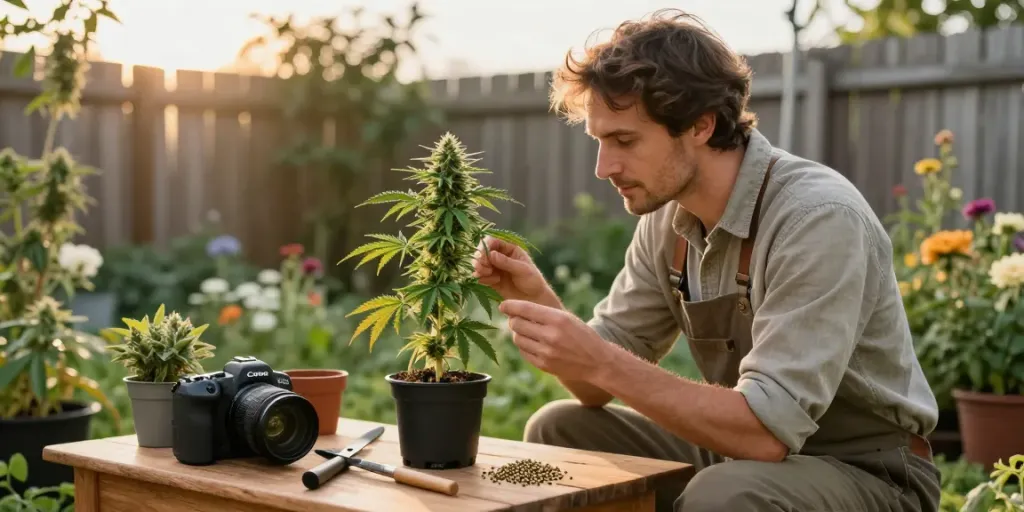
For those ready to cultivate CBD cannabis seeds, understanding best practices can lead to a successful harvest. Here are key considerations for growing CBD cannabis:
Best Practices for Indoor Cultivation
Indoor growers have the advantage of controlling environmental conditions, which is crucial for cultivating high-quality CBD plants. Key strategies include:
- Lighting: Use full-spectrum LED lights to replicate natural sunlight and maximize photosynthesis.
- Temperature and Humidity: Maintain optimal temperature ranges (70-85°F) and humidity levels (40-60%) for healthy plant growth.
- Nutrients: Utilize nutrient-rich soil and specifically designed fertilizers to provide essential building blocks for plant health.
Outdoor Growing Conditions for CBD Plants
Outdoor cultivation offers the benefits of natural sunlight and fresh air, but it also comes with challenges. Growers should consider:
- Location: Select a site with plenty of sunlight, good drainage, and protection from harsh winds.
- Soil Quality: Test the soil pH and nutrient levels before planting, and amend the soil as needed to promote healthy growth.
- Pest Control: Monitor for common pests and diseases, using organic methods whenever possible to protect the plants.
Pest Management and Organic Practices
Implementing organic growing practices can help prevent pests and diseases while maintaining a clean growing environment. Techniques such as crop rotation, companion planting, and beneficial insect introduction can significantly reduce pest pressure without the need for harmful chemicals.
Frequently Asked Questions
Where can I buy CBD cannabis seeds?
CBD cannabis seeds are available for purchase through various reputable online retailers, specialty seed banks, and local dispensaries. It's essential to buy from trusted sources to ensure seed quality and compliance with local regulations.
Which cannabis strains are high in CBD?
Many strains offer high levels of CBD, including popular choices like ACDC, Charlotte's Web, and Harlequin. Each strain has a unique cannabinoid profile, so growers should research specific strains to find the best fit for their needs.
Can you legally grow CBD seeds in the U.S.?
In most states, it is legal to grow CBD seeds as long as the plants contain less than 0.3% THC. However, laws vary by state and locality, so it's essential to check local regulations before planting.