
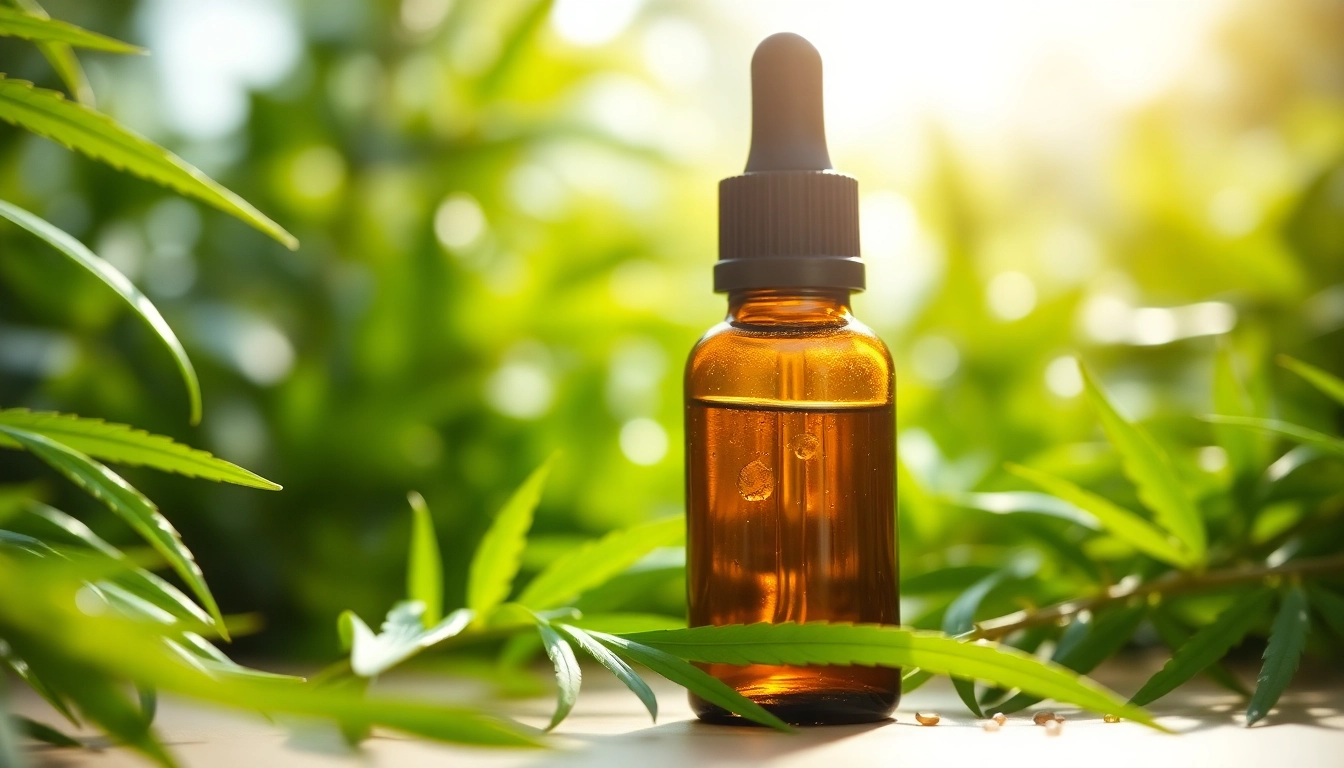
Understanding CBD and Its Origins
What is CBD?
CBD, or cannabidiol, is a non-psychoactive compound found in the cannabis plant. Unlike its more famous relative THC (tetrahydrocannabinol), CBD does not induce a high, making it appealing to those seeking relief without the intoxicating effects typically associated with cannabis use. With a growing number of benefits linked to its therapeutic properties, CBD has gained significant popularity in wellness communities and beyond. For those looking for more information, you can explore CBD benefits and applications.
History of CBD Use
The use of cannabis for medicinal purposes dates back thousands of years, with early records indicating its application in Chinese medicine. CBD itself was isolated in 1940, but it wasn’t until recent decades that scientific research began to unlock its potential therapeutic benefits. As legal barriers have fallen in many parts of the world, CBD has emerged as a key focus in both research and consumer products.
Sources of CBD
CBD is primarily derived from the hemp variety of the cannabis plant. Hemp is legally defined by its low THC content (below 0.3%), which allows it to be cultivated for its fibers, seeds, and cannabinoids. This makes hemp a rich source of CBD. The extraction process can vary, with methods ranging from CO2 extraction to more traditional oil infusions, each impacting the purity and efficacy of the final product.
Health Benefits of CBD
How CBD Works in the Body
CBD interacts with the body's endocannabinoid system (ECS), a complex network of receptors and neurotransmitters that plays a crucial role in regulating various physiological processes, including pain response, mood, and immune function. By binding to cannabinoid receptors (CB1 and CB2), CBD can prompt various reactions that promote homeostasis, thereby influencing overall wellness.
Common Therapeutic Uses
There are several areas where CBD has shown promising therapeutic potential:
- Anxiety Relief: Many users report reduced symptoms of anxiety and stress when using CBD. Research suggests it may interact with serotonin receptors in the brain.
- Pain Management: CBD’s anti-inflammatory properties may help reduce chronic pain, including conditions such as arthritis and multiple sclerosis.
- Sleep Aid: By addressing issues like anxiety and pain, CBD may also help improve sleep quality for those struggling with insomnia.
- Neurological Disorders: Some studies indicate that CBD may help manage symptoms of epilepsy and other neurological disorders.
Scientific Studies on CBD Benefits
Numerous studies support the health benefits of CBD, reinforcing its potential in medical applications. For instance, a review of several clinical trials highlighted CBD's efficacy in managing anxiety, post-traumatic stress disorder (PTSD), and social anxiety disorder. Another study showed that CBD significantly reduced seizure frequency in patients with epilepsy, suggesting its potential as a powerful therapeutic agent.
Potential Side Effects and Risks of CBD
Understanding CBD's Side Effects
While CBD is generally well-tolerated, some individuals may experience side effects. Commonly reported symptoms include:
- Dry mouth
- Drowsiness
- Dizziness
- Changes in appetite
It's important to consult with a healthcare provider before starting CBD, especially if you are on other medications.
Who Should Avoid CBD?
Individuals with pre-existing medical conditions, particularly those affecting the liver, should approach CBD cautiously. Pregnant or breastfeeding women are advised to avoid CBD as the effects on fetal and infant development are not well-studied. Additionally, those taking medications that interact with CBD, such as certain blood thinners, should also avoid its use without medical supervision.
Regulatory Considerations for CBD
The regulatory landscape for CBD varies globally, reflecting differing attitudes towards cannabis. In the U.S., the FDA has approved Epidiolex, a CBD-based medication for epilepsy. However, other CBD products remain in a gray area of legality, with consumers encouraged to seek products from reputable sources that adhere to stringent safety and testing protocols.
Selecting Quality CBD Products
Identifying Reliable Brands
When choosing CBD products, quality matters. Look for reputable brands that provide third-party lab testing results, confirming their products are free from harmful levels of THC and contaminants. Reading customer reviews and checking for transparency about sourcing practices can also indicate a brand’s reliability.
Factors to Consider When Choosing CBD
- Full Spectrum vs. Isolate: Full-spectrum CBD contains a range of cannabinoids and terpenes, potentially enhancing its therapeutic effects through the entourage effect. Isolates contain only CBD, which may be preferable for those who wish to avoid THC altogether.
- Method of Extraction: CO2 extraction is the gold standard, resulting in higher purity and potency levels compared to other methods.
- Ingredients: Check for additives or fillers that may dilute the product's quality. Look for organic ingredients whenever possible.
Reading CBD Labels Effectively
Understanding CBD product labels is crucial for consumers. Essential details to look for include:
- CBD Concentration: This indicates the amount of CBD per serving or bottle, typically measured in milligrams.
- Batch Number: Reputable brands provide batch numbers, enabling you to access test results for that specific product batch.
- Source of Hemp: Ethical sourcing from U.S. farms ensures compliance with agricultural regulations and better product safety.
The Future of CBD in Wellness
Emerging Trends in CBD Research
Research on CBD is evolving, with numerous studies investigating its effects on a variety of health conditions. Emerging trends include exploring CBD’s potential in neuroprotection, its role in managing inflammation, and its effects on cardiovascular health.
Potential Innovations in CBD Products
The CBD market is continually innovating, with products ranging from oils and edibles to topical creams and beauty products. Future innovations may see enhanced delivery systems, such as transdermal patches or inhalables, which could improve bioavailability and absorption rates.
Integrating CBD into Daily Health Routines
Integrating CBD into your wellness routine can be beneficial. Start with a low dosage and gradually adjust based on your body’s reactions. Whether through oils, capsules, or infused foods, finding a method that suits your preferences is key. Consistency is crucial for assessing its impact on your health effectively.
As the body of research around CBD continues to expand, its role in health and wellness is becoming increasingly understood. While many benefits are evident, it is essential to approach its usage prudently and informedly, considering both the potential advantages and possible side effects.